

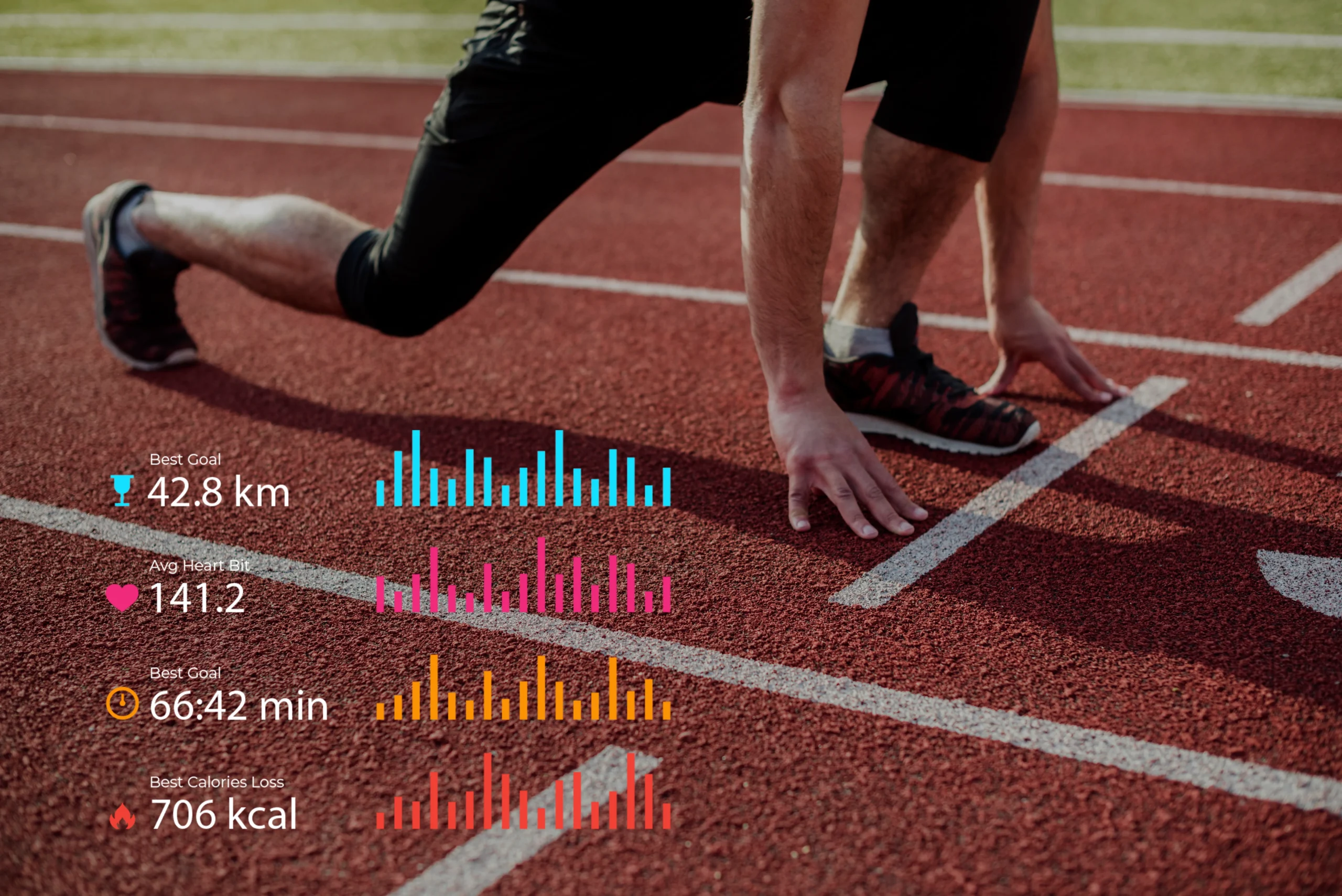
The sports performance analytics has emerged as one of the leading dimensions of the current sports practice in the shape of training, coaching and managing the teams. The advanced technology and data gathering device has elevated the sport organizations and athletes to a new level hence the performance analysis is now being carried out in a very detailed and structured manner compared to the past. Performance analytics will aid teams and athletes in learning what they are good or bad at, and what they need improvement on.
The gathering of information regarding the training, matches and the fitness activities of the athletes is the process of sports performance analytics. This can be the speed, the distance covered, the heart rate, its response time and the movement patterns among other performance measurements. This information is applied by the coaches and analysts in the analysis of performance of the athletes training and competing.
The primary advantage of sports analytics is the improved decision-making. With real performance data, coaches are able to come up with superior training plans when compared to utilization of their own observations. Significantly, when a case statistics demonstrates that performance of an athlete declines with the passage of time, the training program can be changed to enhance endurance and stamina.
Injuries prevention is also becoming a subject of sports analytics. The reason is that the trainers could monitor the symptoms of body fatigue or stress by monitoring physical workload, movement pattern and recovery period. This will minimize the injuries risks, and long-term development of the athletes.
Learning about opponents and tactics of game is the other usual application of performance analytics within a team. Teams can acquire such patterns as defensive formations, positioning, and attacking based on the match data. Such information can assist the teams to plan more effectively to compete in future.
Sports analytics is a highly technological dependent industry. Wearable computing, GPS, video analysis programmes and performance dashboards can assist a team to obtain and analyze a large quantity of information successfully. They would be used in converting raw data to useful information that can be adopted and implemented by the coaches and athletes.
The use of sports performance analytics goes into creating amateur and youth sport and in professional sports. Simple analytics is already being applied in many training schools and sport facilities to track the progress of athletes and their effectiveness in training.
In general, sports performance analytics can be used in training quality, strategies, performance, and injury prevention of athletes. It has become an inseparable part of the contemporary sporting reality in which data and performance are offered to assist the sportsmen and teams with running their best.