

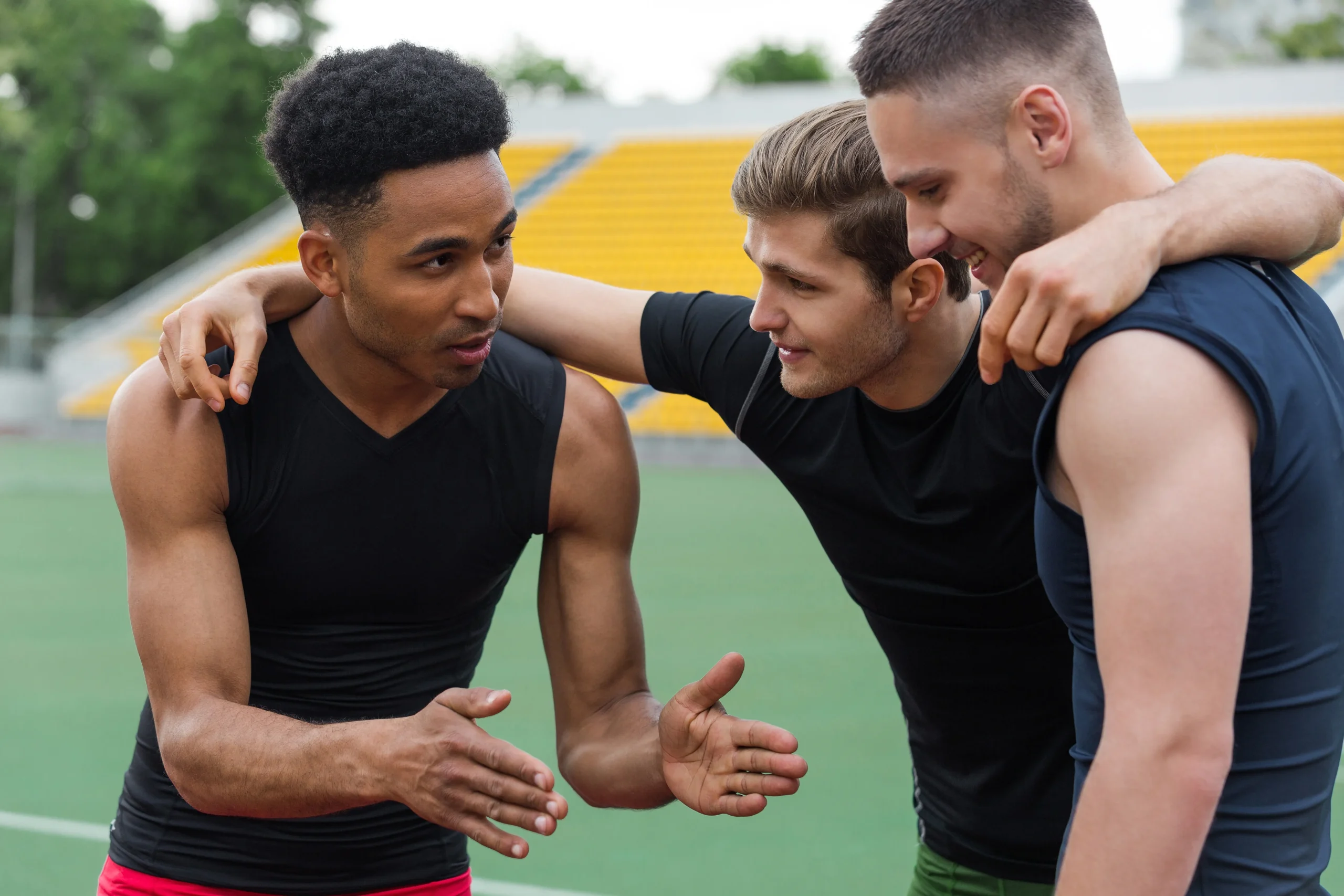
Strong relationships between athletes, coaches, and team management are essential for success in modern sports environments. These relationships are built on trust, communication, mutual respect, and shared goals. When athletes and teams work together effectively, it creates a positive environment that supports both individual performance and overall team success.
One of the most important elements of a strong athlete-team relationship is communication. Open and clear communication helps athletes understand their roles, expectations, and performance goals. Coaches who provide regular feedback and guidance help athletes improve their skills and stay focused on their development. At the same time, athletes should feel comfortable sharing their concerns, ideas, and challenges with coaches and team staff.
Trust is another key factor in building strong relationships. Athletes need to trust that coaches and management are making decisions that are in their best interest. Similarly, coaches must trust athletes to follow training programs, maintain discipline, and perform to the best of their abilities. Trust helps create a stable and supportive team environment.
Respect plays a major role in team dynamics. Athletes, coaches, and support staff must respect each other’s roles and contributions. Respect encourages cooperation and reduces conflicts within the team. When team members value each other’s efforts, it creates a more unified and motivated group.
Imagine changing your life overnight win a million dollars Enter now!
One chance can make you the next big winner.
Support and encouragement are also essential in athlete-team relationships. Athletes often face physical and mental challenges during training and competitions. A supportive team environment helps them stay motivated and confident, even during difficult situations. Coaches and teammates who provide encouragement can positively influence performance and mindset.
Understanding individual differences is important in modern sports teams. Each athlete has unique strengths, weaknesses, and personal goals. Coaches who recognize these differences can create personalized training approaches that help each athlete perform at their best while contributing to the team.
Strong relationships also improve teamwork and coordination during competitions. When athletes trust and understand each other, they can work together more effectively, communicate better during matches, and adapt to changing situations.
Team culture is built through consistent positive interactions. Activities such as team meetings, group training sessions, and team-building exercises help strengthen relationships and improve unity.
Overall, building strong athlete-team relationships is essential for long-term success in sports. Trust, communication, respect, and support create a positive environment where athletes can grow, perform consistently, and contribute to the success of the team.